Module 6: AI-Enhanced Marketing Automation
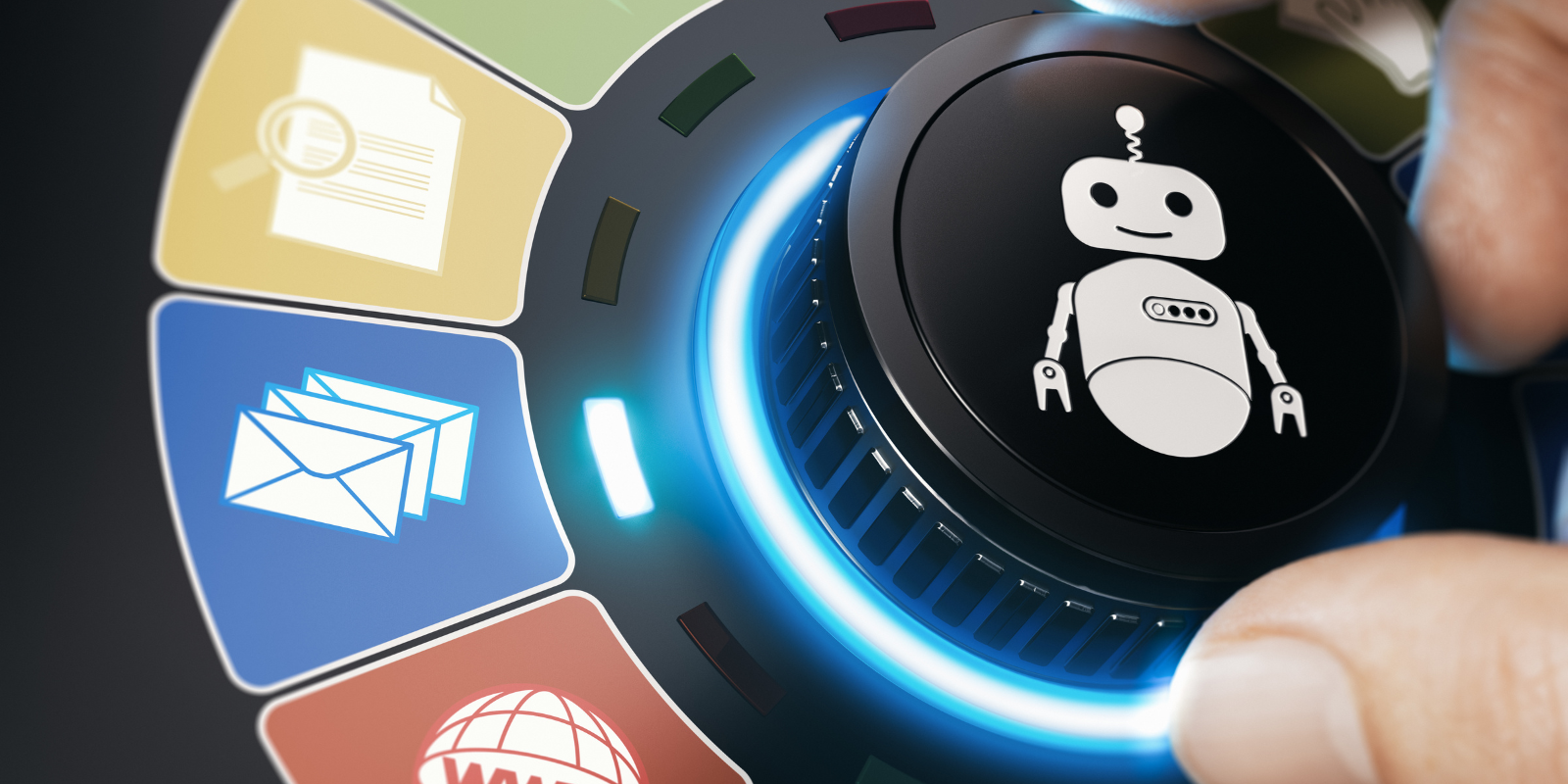
Welcome to Module 6 of our AI Marketing Mastery course! Today, we're diving into a topic that's going to revolutionize the way you approach your marketing tasks: AI-Enhanced Marketing Automation. If you've ever felt like there aren't enough hours in the day to get everything done, this module is going to be your new best friend.
Imagine you're a conductor of a massive orchestra. You've got strings, brass, woodwinds, and percussion all playing different parts, but somehow, you need to make them work together to create a beautiful symphony. That's what marketing feels like sometimes, right? You've got email campaigns, social media posts, ad management, customer service, and a dozen other tasks all vying for your attention. Now, imagine if you had an AI assistant conductor who could keep all these sections playing in perfect harmony, even when you're not actively waving the baton. That's the power of AI-enhanced marketing automation.
Let's break down the key areas where AI is supercharging marketing automation:
Email Marketing Automation
Email remains one of the most effective marketing channels, and AI is making it even more powerful. Here's how:
- Personalized Content: AI can analyze a recipient's past behavior, preferences, and demographics to create highly personalized email content.
- Send Time Optimization: AI can predict the best time to send emails to each individual recipient for maximum open rates.
- Subject Line Optimization: AI can generate and test multiple subject lines to determine which ones are most likely to result in opens.
- Dynamic Content: AI can automatically adjust email content based on the recipient's behavior since the email was sent.
Imagine sending out a single email campaign that automatically adjusts its content, send time, and subject line for each individual recipient. That's the level of personalization AI-enhanced email automation can achieve.
Chatbots and Conversational Marketing
We touched on chatbots in our social media module, but they deserve a deeper dive here because of their automation potential:
- 24/7 Customer Service: AI chatbots can handle customer queries round the clock, freeing up your human team for more complex tasks.
- Lead Qualification: Chatbots can ask qualifying questions and route leads to the appropriate sales team members.
- Personalized Recommendations: Based on conversation history, chatbots can suggest relevant products or content.
- Multi-Channel Presence: AI chatbots can operate across your website, social media platforms, and messaging apps simultaneously.
The key here is that modern AI chatbots can handle increasingly complex conversations, understanding context and even emotional nuances. They're not just following a script - they're having real, dynamic interactions with your customers.
Customer Journey Automation
AI can help automate and optimize the entire customer journey:
- Behavior-Based Triggers: AI can identify specific customer behaviors that trigger automated marketing actions.
- Predictive Next Best Action: AI can predict what action (e.g., sending an email, showing an ad) is most likely to move a customer to the next stage of their journey.
- Cross-Channel Coordination: AI can ensure consistent messaging across all channels as a customer moves through their journey.
- Real-Time Personalization: AI can adjust the customer journey in real-time based on the customer's actions and responses.
Imagine a customer journey that automatically adapts to each individual's behavior, always presenting the right message at the right time on the right channel. That's the power of AI-enhanced customer journey automation.
Content Distribution Automation
Creating great content is only half the battle - you also need to get it in front of the right audience. AI can help automate this process:
- Content Scheduling: AI can analyze past performance data to determine the optimal times to publish content on different platforms.
- Channel Selection: Based on content type and target audience, AI can suggest the best channels for distribution.
- Audience Segmentation: AI can automatically segment your audience and distribute content to the most relevant segments.
- A/B Testing: AI can continuously test different distribution strategies and optimize based on the results.
With AI-enhanced content distribution, you can ensure that every piece of content you create reaches its maximum potential audience.
Ad Campaign Automation
Managing ad campaigns across multiple platforms can be a full-time job in itself. AI can automate much of this process:
- Budget Allocation: AI can automatically adjust budget allocation across campaigns and platforms based on performance.
- Bid Management: For PPC campaigns, AI can adjust bids in real-time to optimize for your goals.
- Creative Optimization: AI can test multiple ad creatives and automatically promote the best-performing ones.
- Audience Targeting: AI can continuously refine audience targeting based on campaign performance data.
Imagine running complex, multi-channel ad campaigns that automatically optimize themselves 24/7. That's the reality of AI-enhanced ad automation.
Social Media Automation
We covered some of this in our social media module, but let's look at it through the lens of automation:
- Content Creation: AI can generate social media post ideas and even draft posts based on your brand voice and current trends.
- Posting Schedule: AI can determine the optimal posting schedule for each social platform.
- Engagement Automation: AI can automatically like, comment, or share posts based on predefined rules.
- Performance Analysis: AI can continuously analyze post performance and adjust your strategy accordingly.
With AI-enhanced social media automation, you can maintain an active, engaging social media presence across multiple platforms with minimal daily input.
Predictive Lead Scoring
Lead scoring is crucial for sales and marketing alignment, and AI can automate this process:
- Behavior Analysis: AI can analyze customer interactions across all touchpoints to assign accurate lead scores.
- Predictive Scoring: Rather than just looking at past behavior, AI can predict future likelihood of conversion.
- Dynamic Scoring: AI can continuously update lead scores based on new data and interactions.
- Automated Segmentation: Based on lead scores, AI can automatically segment leads and trigger appropriate marketing actions.
real-time based on the latest data. That's the power of AI-enhanced lead scoring automation.
Now, I know what some of you might be thinking: "This all sounds great, but won't this level of automation make our marketing feel impersonal?" It's a valid concern, but here's the thing: when done right, AI-enhanced automation actually allows for more personalization, not less.
Think about it this way: AI handles the data analysis, decision making, and execution of repetitive tasks. This frees up human marketers to focus on strategy, creativity, and building genuine connections with customers. AI can determine when to send an email, but you still decide what story that email tells. AI can optimize your ad bids, but you still create the compelling ad copy that resonates with your audience.
Here's a practical example of how you might implement AI-enhanced marketing automation:
- Use AI-powered tools to analyze your customer data and create detailed customer personas.
- Set up automated email campaigns that use AI to personalize content and send times for each recipient.
- Implement AI chatbots on your website and social media channels to handle customer queries and qualify leads.
- Use AI to create and optimize a cross-channel customer journey, with automated triggers based on customer behavior.
- Set up AI-powered ad campaigns that automatically optimize themselves based on performance data.
- Use AI tools to assist in social media content creation and automate posting schedules.
- Implement AI-powered lead scoring to automatically prioritize leads for your sales team.
The key is to start small, perhaps with one or two areas of automation, and gradually expand as you become more comfortable with the technology.
As we wrap up this module, I want you to think about your current marketing processes. Where do you spend most of your time on repetitive tasks? Which areas of your marketing could benefit from more real-time optimization? These are the areas where AI-enhanced automation could have the biggest impact.
In our next and final module, we'll look at how to bring all these AI-powered strategies together into a cohesive, integrated marketing approach. Get ready to take your marketing efficiency and effectiveness to the next level with AI-enhanced automation!
Click Here To Continue