Module 5: Predictive Analytics and AI-Driven Marketing Strategy
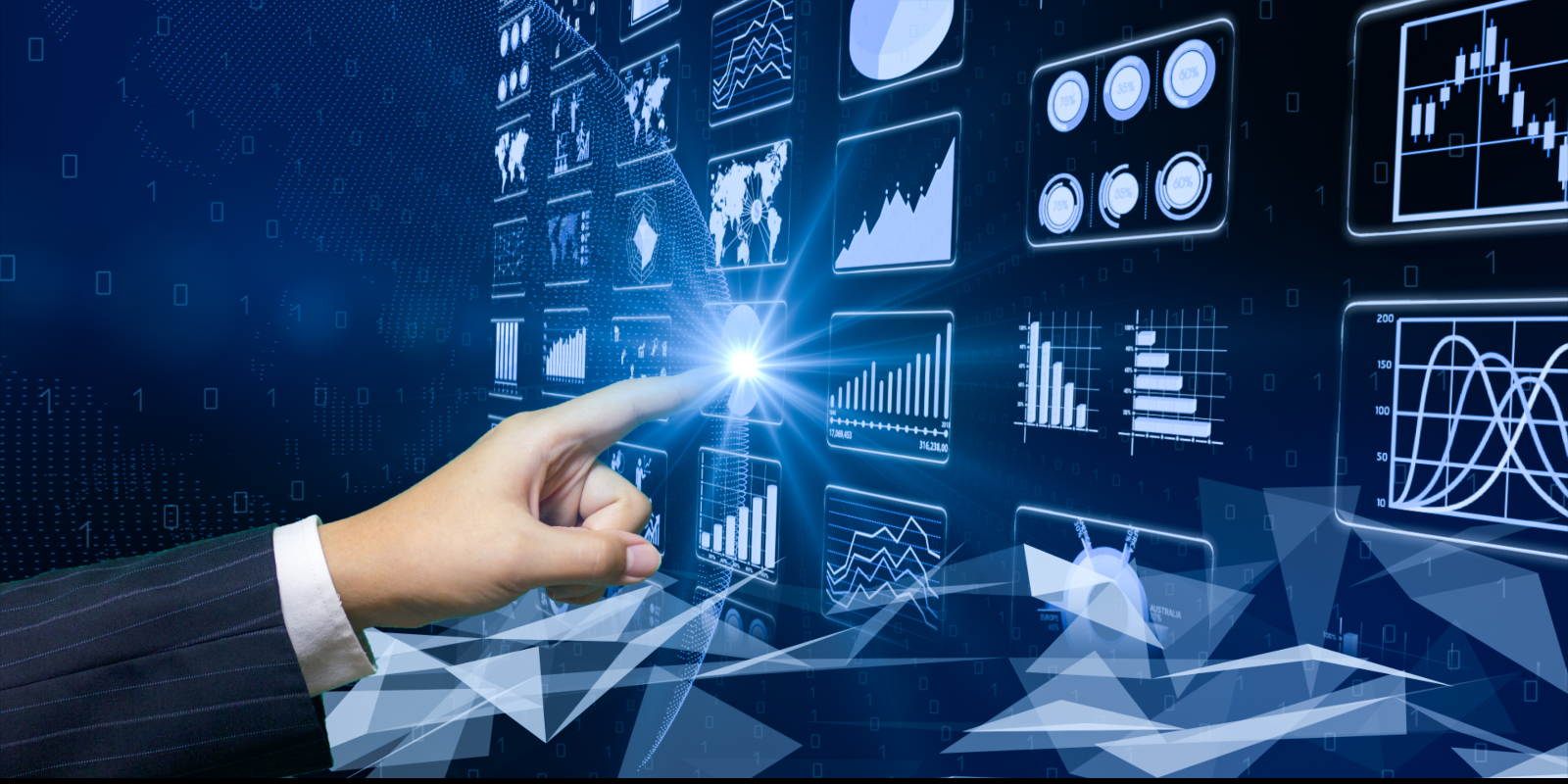
Welcome to Module 5 of our AI Marketing Mastery course! Today, we're diving into a topic that might sound like it belongs in a sci-fi novel: predictive analytics and AI-driven marketing strategy. But trust me, this isn't science fiction – it's the cutting edge of marketing, and it's happening right now.
Imagine you're playing chess. You're good, but you're playing against a grandmaster who can see 20 moves ahead. They anticipate your every move, counter your strategies before you even make them, and guide the game exactly where they want it to go. Now, imagine having that kind of foresight in your marketing efforts. That's essentially what predictive analytics and AI-driven marketing strategy offer.
Let's break down the key components of this game-changing approach:
Understanding Predictive Analytics
At its core, predictive analytics is about using historical data to forecast future outcomes. But when we add AI to the mix, it becomes so much more powerful. Here's why:
- Pattern Recognition: AI can identify complex patterns in your data that humans might miss.
- Real-time Processing: AI can analyze vast amounts of data in real-time, allowing for instant adjustments to your strategy.
- Continuous Learning: AI models improve over time as they process more data, making their predictions increasingly accurate.
Think of it like having a crystal ball, but instead of mystical powers, it's powered by data and algorithms.
Customer Lifetime Value Prediction
One of the most valuable applications of predictive analytics is forecasting Customer Lifetime Value (CLV). This goes beyond just looking at a customer's past purchases. AI can consider factors like:
- Purchase frequency and recency
- Engagement with your brand across different channels
- Demographic information
- Market trends and economic factors
With this information, AI can predict:
- Which customers are likely to become your most valuable long-term clients
- Engagement with your brand acrWhen a customer might be ready to make their next purchaseoss different channels
- What products or services a customer might be interested in next
Imagine being able to identify a customer who, based on their behavior patterns, is likely to become a high-value client over the next five years. You could tailor your marketing efforts to nurture this relationship from day one, maximizing the chances of turning that prediction into reality.
Churn Prediction and Prevention
Customer churn is a major concern for any business. But what if you could predict which customers are at risk of churning before they actually leave? That's exactly what AI-powered predictive analytics can do. It can analyze factors like:
- Changes in purchase frequency
- Decrease in engagement with your content
- Increase in customer service inquiries
- Competitor activity
By identifying at-risk customers early, you can take proactive steps to re-engage them. Maybe it's a personalized offer, a check-in from your customer service team, or content that addresses their specific pain points. The key is that you're not waiting for customers to leave – you're actively working to keep them.
Demand Forecasting
Predictive analytics can also help you anticipate market demand. This is crucial for inventory management, resource allocation, and campaign planning. AI models can consider a wide range of factors:
- Historical sales data
- Seasonal trends
- Economic indicators
- Social media sentiment
- Even weather forecasts, depending on your industry!
With this information, you can:
- Optimize your inventory levels
- Plan marketing campaigns to coincide with periods of high demand
- Adjust pricing strategies based on predicted demand fluctuations
Imagine launching a marketing campaign for winter coats just as the first cold snap is about to hit, or ramping up production of a product right before a surge in demand. That's the power of AI-driven demand forecasting.
Content Performance Prediction
We touched on this in our content creation module, but it's worth exploring further. AI can predict how well a piece of content will perform before you even publish it. It does this by analyzing factors like:
- Topic relevance based on current trends
- Keyword optimization
- Content structure and readability
- Historical performance of similar content
This allows you to:
- Prioritize content that's likely to perform well
- Optimize underperforming content before publication
- Identify gaps in your content strategy
Imagine knowing with a high degree of certainty that a blog post will drive significant traffic, or that a social media campaign will generate a certain number of leads. That's the kind of insight AI-driven content performance prediction can provide.
Ad Campaign Optimization
AI can supercharge your advertising efforts by predicting which ads will perform best with different audience segments. It can:
- Generate multiple ad variations
- Predict which variations will resonate best with each audience segment
- Continuously optimize ad placement and timing
The result? Higher click-through rates, lower cost-per-click, and ultimately, better ROI on your ad spend.
Dynamic Pricing Strategies
For businesses with flexible pricing models, AI can help optimize pricing strategies in real-time. By analyzing factors like:
- Current demand
- Competitor pricing
- Customer segments
- Even time of day or weather conditions
AI can suggest optimal pricing to maximize revenue without sacrificing sales volume.
Personalized Customer Journeys
Perhaps one of the most exciting applications of predictive analytics is in creating personalized customer journeys. AI can predict:
- What content a customer is likely to engage with next
- When a customer is most likely to make a purchase
- Which channel a customer prefers for communication
With these insights, you can create highly personalized marketing sequences that guide each customer along their unique journey with your brand.
Now, I know what some of you might be thinking: "This all sounds great, but isn't it a bit... creepy? Are we crossing a line with all this prediction and personalization?" It's a valid concern, and it brings us to an important point: the ethical use of AI in marketing.
The key is transparency and respect for customer privacy. Here are some guidelines to keep in mind:
- Be clear about what data you're collecting and how you're using it
- Give customers control over their data and the option to opt out of predictive marketing efforts
- Use predictions to provide value to your customers, not to manipulate them
- Regularly audit your AI systems to ensure they're not perpetuating biases or making unethical decisions
When used ethically, predictive analytics and AI-driven marketing strategies aren't about invading privacy or manipulating customers. They're about understanding your customers better so you can serve them better. It's about creating marketing that's relevant and valuable, not intrusive and annoying.
Here's a practical example of how you might implement these strategies:
- Use AI to analyze your customer data and create predictive models for CLV and churn risk.
- Segment your customers based on these predictions.
- For high-value, low-risk customers, create personalized upsell campaigns.
- For high-risk customers, develop re-engagement strategies.
- Use AI to predict which content and offers will resonate best with each segment.
- Implement these campaigns across channels, using AI to optimize timing and placement.
- Continuously monitor results and allow the AI to refine its predictions and strategies.
As we wrap up this module, I want you to think about your current marketing strategy. Where could you benefit from better predictions? What decisions are you making based on gut feeling that could be informed by data? These are the areas where predictive analytics and AI-driven strategies could have the biggest impact.
In our next module, we'll dive into the practical aspects of implementing these strategies, including tool recommendations and step-by-step guides. Get ready to take your marketing from reactive to proactive with the power of AI and predictive analytics!
Click Here To Continue